

The crossroads of
technological innovation and digital transformation!
Digital technologies and practical skills
Optimizing data storage:
modern solutions for everyday data needs
Modern backup methods include the use of automated data management systems. These systems improve operational efficiency by reducing processing time and simplifying data organization. In addition, cloud storage technologies provide greater flexibility, remote access to data and secure backup options while reducing reliance on local hardware.
The choice of a storage solution depends on a number of factors: the nature of the data to be stored, required storage capacity, frequency of access, budget constraints, security requirements and the intended backup strategy.

Hard disks
Hard disks offer high storage capacity at low cost for archiving large volumes of infrequently accessed data.
SSD disks
SSD disks are faster than hard disks, improving system performance, data access speed and loading times.
Cloud storage
Cloud storage offers remote access to data, easier collaboration, scalable storage capacity and secure backup.
Mobile storage
Mobile storage, via USB sticks and external disks, is a practical solution for transporting and transferring data between devices.
From local to cloud→



Consider joining a
career-focused digital bootcamp!
As intensive training courses, bootcamps offer a practical way to develop digital skills in a short period of time. These programs focus on fields in high demand, such as web development, design and data science. The Wagon’s Coding Bootcamp, or example, offers a comprehensive curriculum that enables participants to prepare effectively for the job market. By choosing a bootcamp, you can develop job-ready skills and explore a new career path.
Bootcamps offer an active, immersive teaching approach, encouraging learning by doing. You’ll work on concrete projects, build practical experience and be surrounded by a community of passionate developers.
Boost your employability →

IT security and cyber security:
protecting data and digital access

Authentication and passwords
- The importance of secure passwords
- Advanced authentication methods
- Password management
- Avoiding weak words
- Two-factor authentication

Confidential data transfer
- Secure transfer protocols
- Encryption of sensitive data
- Authorized access management
- Transfer risks
- Regular monitoring and audits
Digital privacy →
Digital data compliance and regulation
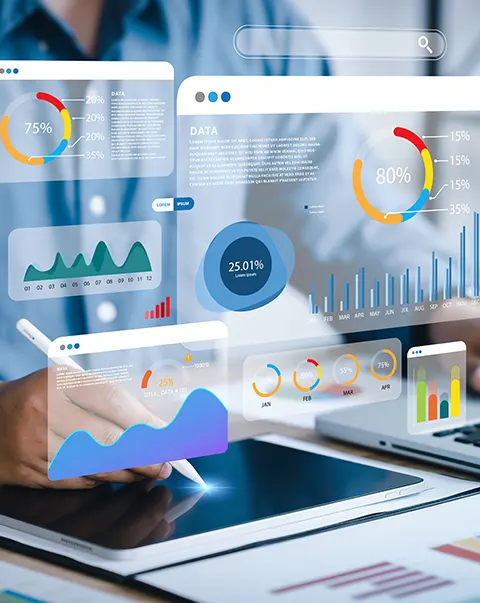

Compliance and regulation of digital data have become crucial issues in the digital age. Companies must comply with strict laws to protect users’ personal information, ensuring data transparency, security and accountable data management, often relying on dedicated commission software to monitor obligations and document compliance processes. Automation and intelligent workflows also help streamline commission management and improve sales performance monitoring.
Legislation such as the General Data Protection Regulation (GDPR) in Europe imposes clear obligations. These regulations aim to provide a framework for data collection, processing, and storage while supporting traceable data governance that can be effectively managed and audited through appropriate digital compliance tools.
Digital data regulations stipulate that companies must obtain explicit consent from users before processing their information. In addition, severe penalties can be applied in the event of non-compliance. Enterprise digital transformation requires constant vigilance from organizations to ensure compliance with current standards, while maintaining consumer trust, responsible information management and better internal alignment, as illustrated by sales compensation software.
BIG DATA in the age of the immaterial: a subject to watch
BIG DATA is characterized by the collection of huge volumes of information within companies, creating new challenges for data storage, processing and analysis, in parallel with OPEN DATA, which encompasses data accessible to the public through open sources. The emergence of the immaterial, i.e. the preponderance of digital data and intangible assets, further accentuates the importance of managing and organizing digital information.